Seasonal Foods and Their Nutritional Contribution
Introduction
Seasonal eating represents one of the oldest agricultural and nutritional traditions. The Wessex region in Southern England has a rich history of agriculture with seasonal patterns of crop production. Understanding how seasonal foods contribute nutritionally provides insight into traditional eating patterns and the relationship between local agriculture and nutrition.
Seasonal Cycles in the Wessex Region
The Wessex region experiences distinct seasonal patterns that influence agricultural production. Different crops thrive at different times of year, shaped by temperature, daylight, and rainfall patterns characteristic of Southern England.
Spring Produce
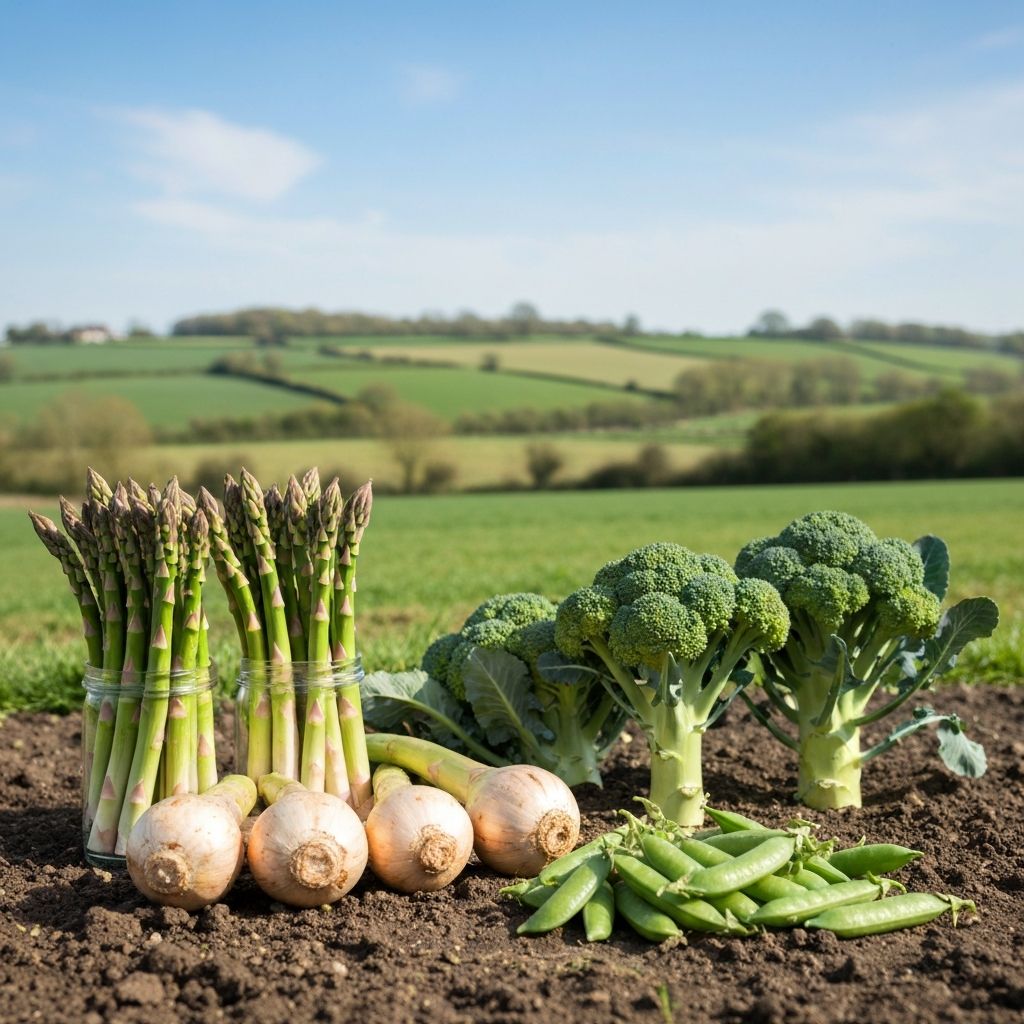
Spring in Wessex brings early leafy greens, asparagus, and emerging vegetables. These early season crops provide fresh nutrients after winter storage crops. Spring vegetables typically contain high water content and various vitamins essential for supporting the body's transition through seasonal changes.
Summer Abundance
Summer months in the region produce diverse berries, stone fruits, and tender vegetables. The abundance of produce in summer allows for diverse dietary intake and fresh consumption of high-water-content foods. Summer produce is typically rich in vitamins, minerals, and phytonutrients.
Autumn Harvest
Autumn brings heartier vegetables, root crops, and storage crops that have been staples of regional agriculture for centuries. These foods typically have different nutritional profiles than spring and summer produce, with higher carbohydrate content and suitability for storage.
Winter Storage and Preservation
Winter in Wessex has traditionally relied on stored crops and preserved foods. Root vegetables, stored grains, and preserved produce sustained communities through winter months. This seasonal pattern has shaped traditional eating patterns in the region.
Nutritional Profiles of Seasonal Produce
Vegetables
Seasonal vegetables provide essential micronutrients, fiber, and phytochemicals. The specific nutrient profile varies by vegetable type and growing conditions. Leafy greens provide certain minerals and vitamins, while root vegetables offer different nutrient combinations and higher carbohydrate density.
Fruits
Seasonal fruits contribute vitamins, particularly vitamin C in some varieties, natural sugars, fiber, and various phytochemicals. Different fruits have different nutritional emphasis—berries in particular are nutrient-dense relative to their caloric content.
Grains and Legumes
Whole grains and legumes, important to regional agriculture, provide complex carbohydrates, fiber, plant-based protein, and B vitamins. These foods have been nutritional staples in the region for centuries.
Seasonal Eating and Nutrition Science
Nutrient Variety Through Seasons
Eating seasonally naturally encourages dietary variety across the year. Different seasons provide different foods, which means natural variation in the specific vitamins, minerals, and phytochemicals consumed. This variety supports different aspects of nutritional needs.
Production Methods
Seasonally available produce from local sources is often grown using methods suited to natural growing conditions. The relationship between agricultural methods, growing conditions, and nutritional content is complex, with research suggesting various factors influence nutrient density.
Food Freshness
Locally produced seasonal food typically reaches consumers quickly after harvest. The effects of time and storage conditions on nutrient content, particularly for water-soluble vitamins, have been documented. Fresher foods consumed closer to harvest may retain more of certain nutrients.
Seasonal Eating and Energy Balance
Seasonal eating patterns have historically aligned with natural energy requirements. Winter crops tend to be more calorie-dense due to their carbohydrate and storage capacity, potentially supporting higher energy needs during colder months. Spring and summer produce, with higher water content and lower caloric density, naturally provides different energy density.
Understanding how seasonal food patterns relate to nutritional intake provides context for regional agricultural traditions and their connection to human nutrition.
Local Food Systems
The Wessex region has developed food production systems over centuries. Understanding local agriculture and seasonal production provides insight into how food systems, nutrition, and regional identity are interconnected.
Modern food systems have disrupted traditional seasonal patterns, making diverse foods available year-round. Understanding both seasonal and non-seasonal sources of nutrition provides context for different eating approaches.
Conclusion
Seasonal foods represent important sources of nutrition with distinct profiles that vary throughout the year. The Wessex region's agricultural traditions reflect adaptation to local growing conditions and seasonal cycles. Understanding the nutritional contribution of seasonal produce provides scientific context for traditional eating patterns while recognizing that modern food systems offer different possibilities.
This educational exploration of seasonal foods illustrates how nutrition science, agricultural systems, and regional context intersect to shape available food choices and nutritional intake patterns.
Educational Content
This article is for educational purposes only and provides general information about seasonal produce and nutrition science. It is not dietary advice or recommendations for specific eating patterns. Individual nutritional needs vary and may require professional guidance.