Wessex Region Nutrition Perspectives
Understanding body weight science through evidence-based nutrition education
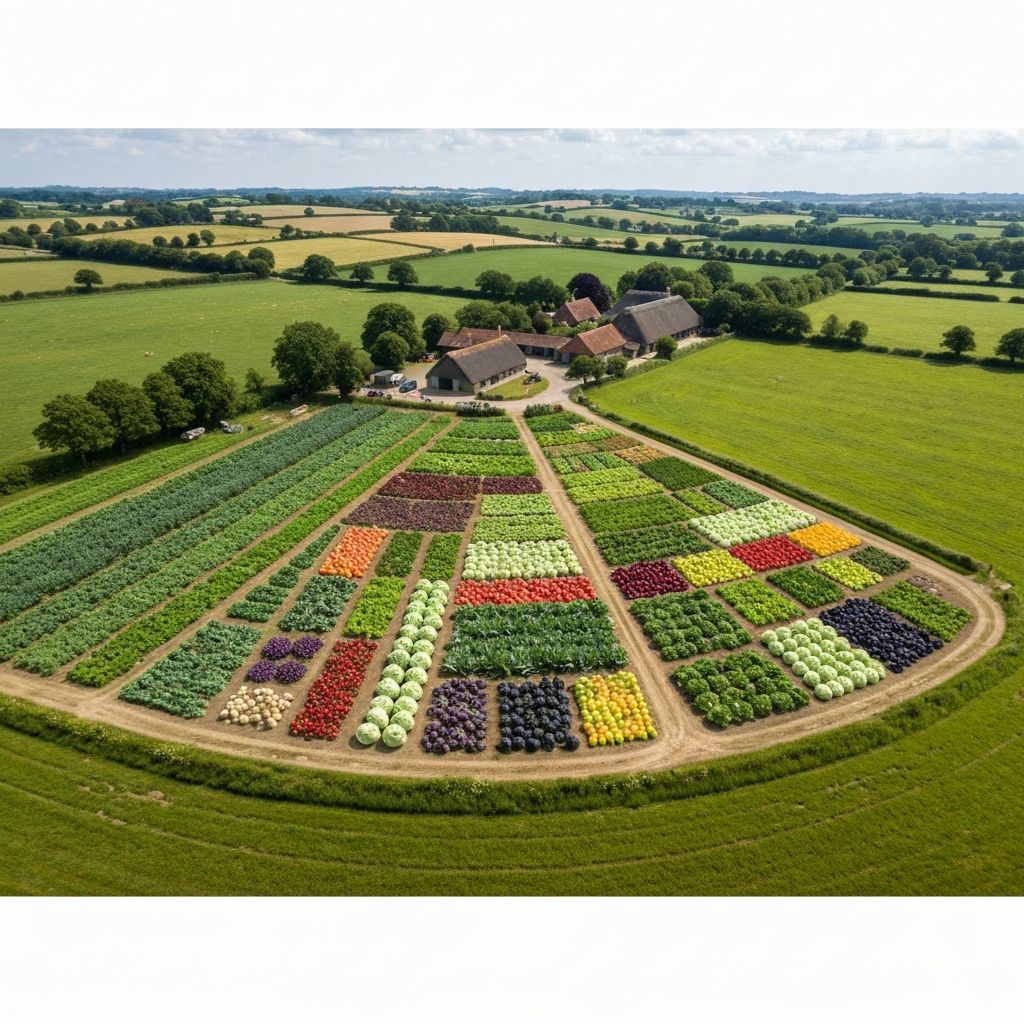
Introduction to Regional Nutrition Science
This resource provides educational information about nutrition science in the context of the Wessex region in Southern England. We explore how scientific principles of nutrition, energy balance, and metabolism relate to everyday life and food choices.
The materials presented here are strictly informational and designed to enhance understanding of nutrition science. This is not medical advice, professional health consultation, or personalized dietary guidance.
Educational Content Only
All materials on this site are for educational purposes. No medical services are provided. No promises of specific health outcomes are made. Information is presented for general knowledge.
Energy Balance Principles
Energy balance is a fundamental concept in nutrition science. It describes the relationship between the energy consumed through food and the energy expended through metabolism and physical activity.
Understanding energy balance helps explain why body weight changes over time. When energy intake equals energy expenditure, body weight remains stable. Different factors influence both sides of this balance, including genetics, activity level, food composition, sleep quality, and hydration status.
This balance is complex and individual, with many contributing factors that vary significantly from person to person.

Local Food Groups Overview
The Wessex region benefits from diverse agricultural production. Understanding the nutritional contribution of different food groups helps contextualize how regional foods fit into broader nutrition science.
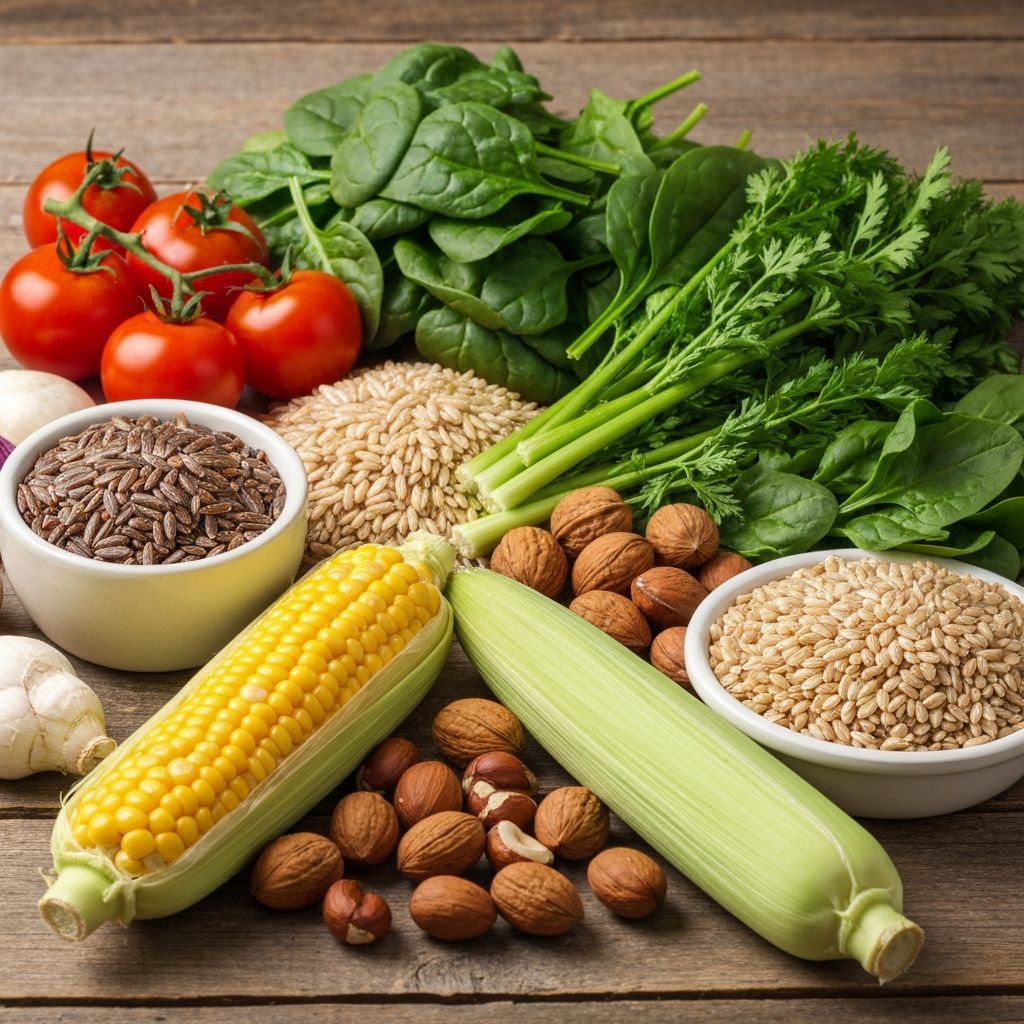
Vegetables and Whole Foods
Vegetables provide essential vitamins, minerals, and fiber. Whole grains contribute B vitamins and complex carbohydrates. Nuts and seeds offer healthy fats and protein. These foods are abundant in Wessex due to local agricultural traditions.
Seasonal Produce Benefits
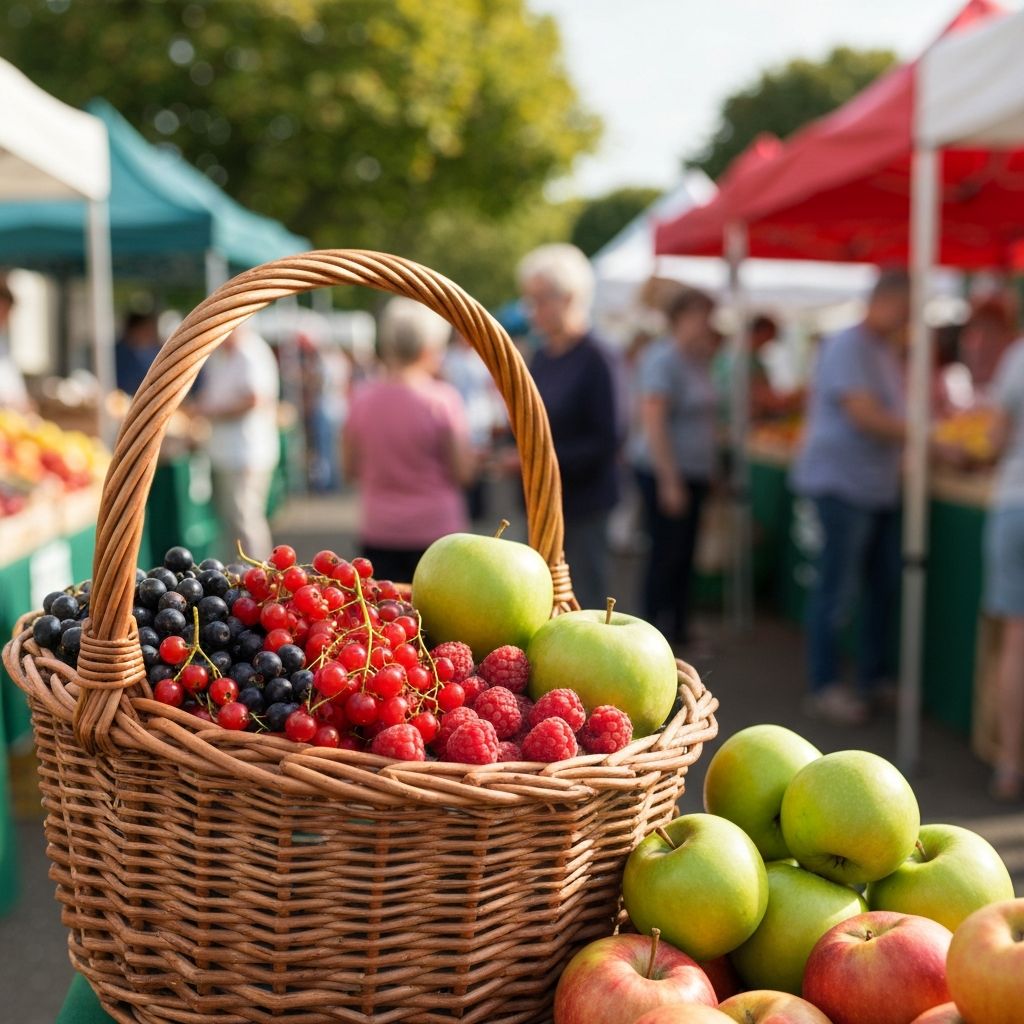
Seasonal foods from local farms vary throughout the year, reflecting natural growing cycles. Understanding the nutritional profile of seasonal produce helps explain how regional eating patterns connect to nutrition science.
Daily Activity in Context
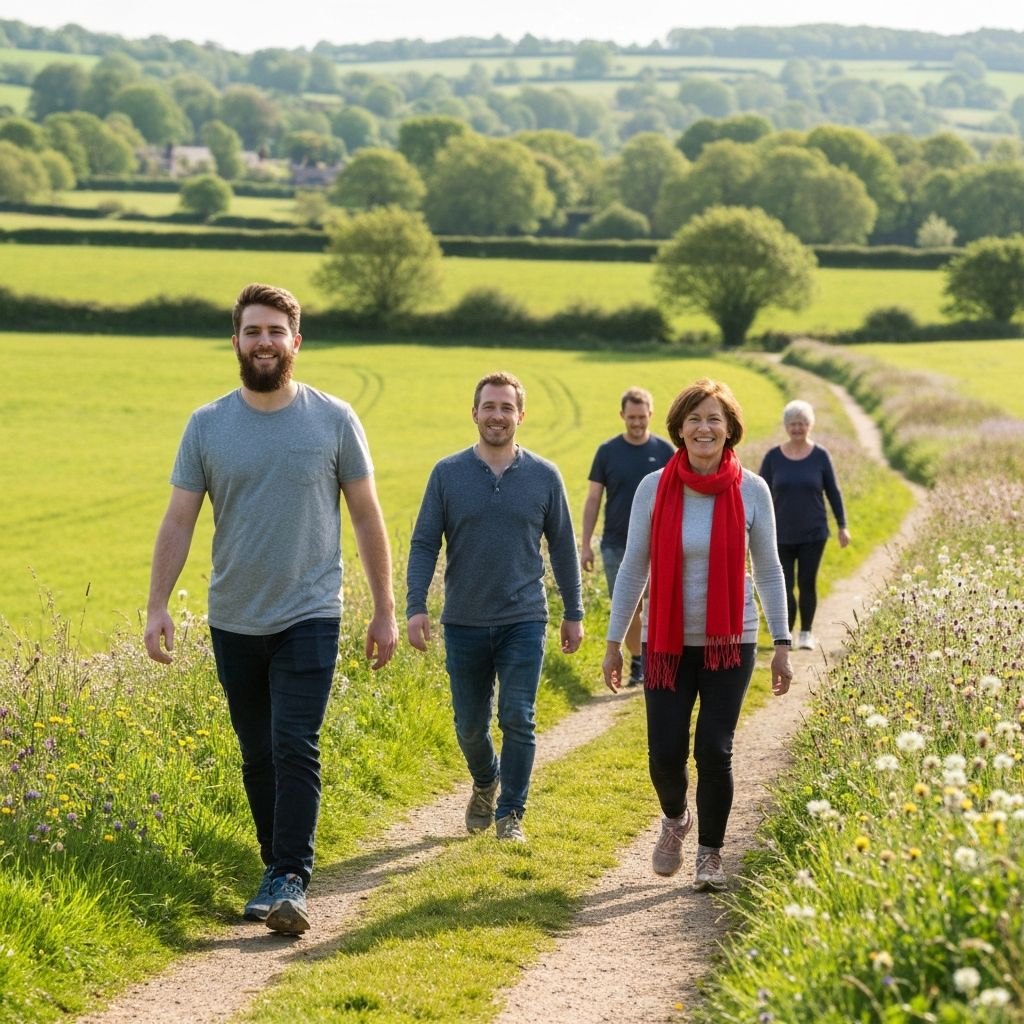
Physical activity contributes to overall energy expenditure and is recognized as important in nutrition science. The British health recommendations suggest regular daily movement as part of a balanced lifestyle.
Activity can include walking, gardening, sports, or any form of movement. The Wessex countryside offers natural opportunities for outdoor activity and movement in daily life.
Rest and Wellness Factors

Sleep quality and rest are important factors in metabolism and overall physiology. The body's natural processes, including hormone regulation and metabolic functions, are influenced by adequate rest.
Hydration, stress management, and balanced daily rhythms also play roles in how the body functions. These factors are part of the broader scientific understanding of how lifestyle contributes to physiology.
Explore Further
Visit our blog for detailed articles exploring specific aspects of nutrition science:
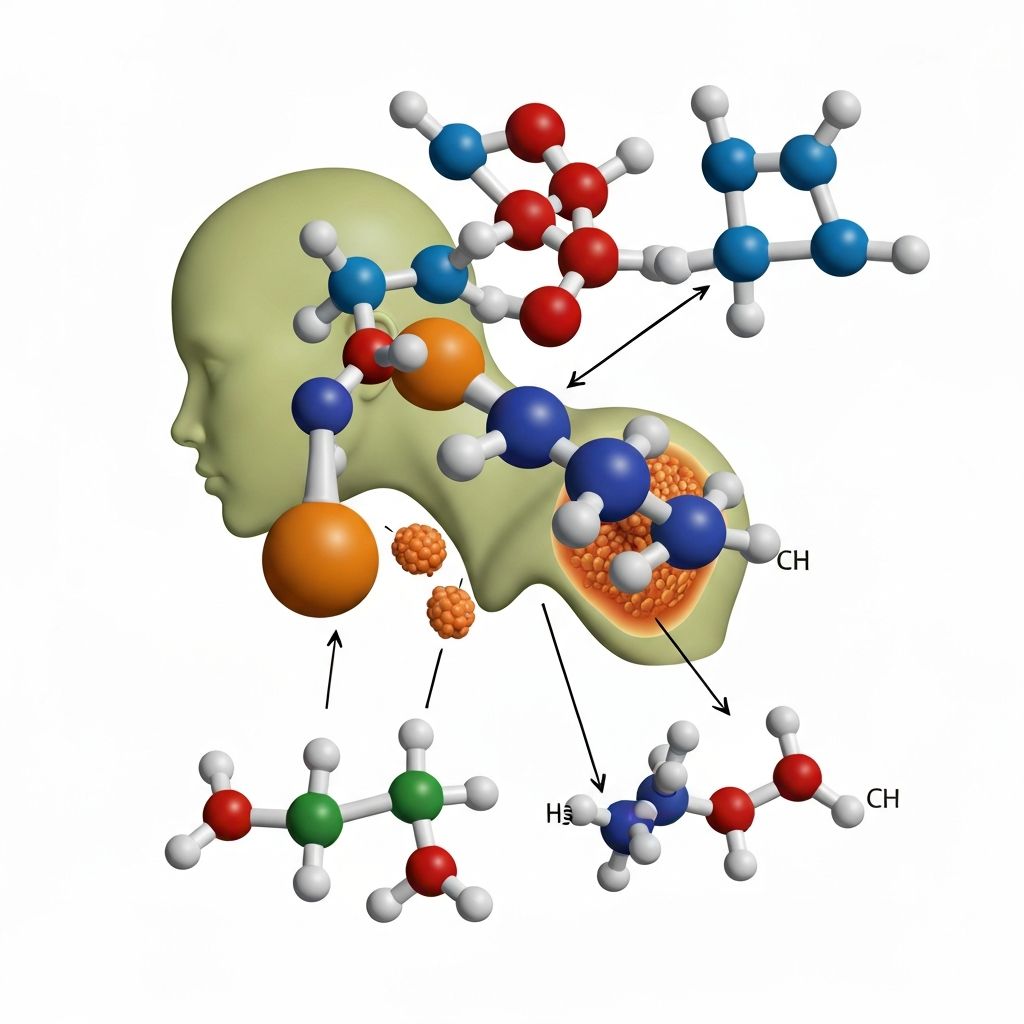
Understanding Energy Balance
Learn the scientific principles of how energy intake and expenditure work in everyday nutrition.
Read Article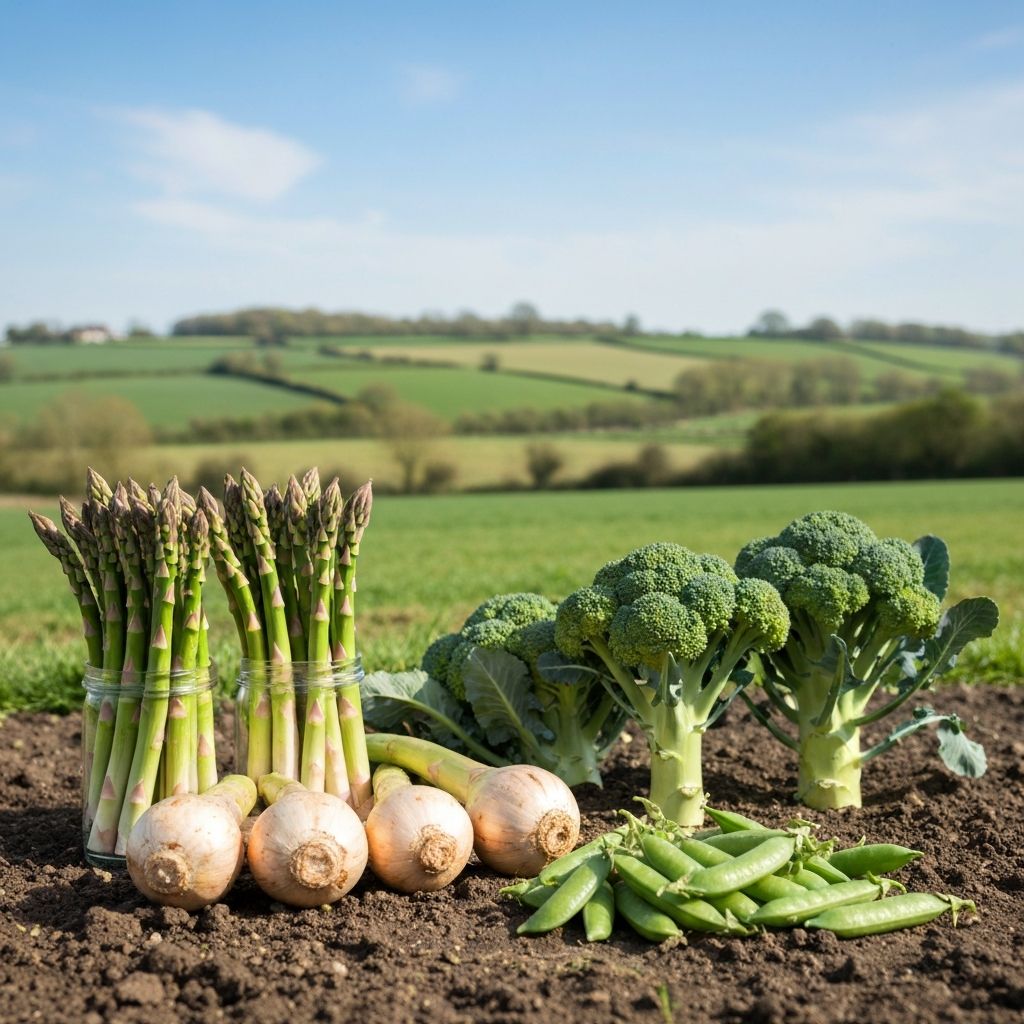
Seasonal Foods and Nutrition
Explore how seasonal produce contributes nutritional value and connects to regional food systems.
Read Article
Lifestyle and Physiology
Understand how daily activities, rest, and environmental factors influence overall health and physiology.
Read ArticleCommon Questions on Nutrition
What does this site provide?
This site offers educational information about nutrition science in the context of the Wessex region. All content is for knowledge and understanding purposes only.
Is this medical advice?
No. This is educational content only. Medical advice, health consultation, and personalized recommendations come from qualified healthcare professionals. This site does not provide such services.
Can I use this information for personal decisions?
While this information is accurate educational content, personal health and dietary decisions should be made with consideration of individual circumstances and, if needed, professional guidance.
Who created this resource?
This is an independent educational resource dedicated to providing evidence-based information about nutrition science in the Wessex region.
Discover Further
Learn more about the scientific principles of nutrition and regional food systems by exploring our articles and resources.
Explore Blog Articles